The Hidden Benefits of Small-Scale Assisted Living for Senior Well-Being
Business Name: BeeHive Homes of Albuquerque West
Address: 6000 Whiteman Dr NW, Albuquerque, NM 87120
Phone: (505) 302-1919
BeeHive Homes of Albuquerque West
At BeeHive Homes of Albuquerque West, New Mexico, we provide exceptional assisted living in a warm, home-like environment. Residents enjoy private, spacious rooms with ADA-approved bathrooms, delicious home-cooked meals served three times daily, and the benefits of a small, close-knit community. Our compassionate staff offers personalized care and assistance with daily activities, always prioritizing dignity and well-being. With engaging activities that promote health and happiness, BeeHive Homes creates a place where residents truly feel at home. Schedule a tour today and experience the difference.
6000 Whiteman Dr NW, Albuquerque, NM 87120
Business Hours
Families often start their look for assisted living by touring the large, hotel-like structures they see from the highway. High ceilings, marble floors, an activity calendar that appears like a cruise ship pamphlet. It can be excellent, and for some older adults, it works really well.
Yet a number of the greatest outcomes I have seen in senior care happened in much smaller settings: 8 to 20 homeowners, a household-style kitchen area, staff who understand each resident's walking speed, sleep patterns, preferred breakfast, even the method they like their towels folded.
This quieter side of elderly care does not get as much marketing, however it can profoundly form lifestyle, specifically for seniors who value familiarity, routine, and individual attention.
Small-scale assisted living is not the right response for everybody, yet its benefits are often underestimated. Understanding those advantages assists households make decisions with more self-confidence, not just based on look or facilities, but on how a place in fact feels and operates day after day.
What "Small-Scale" Assisted Living Really Means
The term "small" describes a lot more than the number of licensed beds. It normally describes communities that look and run more like a home than a center. That might suggest:
A single-story home converted into licensed assisted living with 6 to 10 residents.
A small, purpose-built building with 12 to 20 suites, shared living areas, and an open kitchen. A cluster of numerous small homes on one school, each with its own care team.The core idea is that homeowners reside in a setting that feels individual and manageable, not like a hotel or a health center. Hallways are shorter, personnel rotations are smaller, and day-to-day routines are simpler to tailor. Relative frequently explain the distinction as "understanding everyone" rather than "finding out a system."
From a regulatory standpoint, these homes satisfy the exact same safety and care requirements as bigger assisted living facilities. The difference lies in scale, culture, and the daily interactions between homeowners and staff.
Why Size Matters More Than Families Expect
When we discuss elderly care, we generally focus on services: medication help, assist with bathing, meals, transport. All of that is important. But the size and layout of a neighborhood silently shape practically everything else that matters for wellness.
In smaller assisted living settings, several patterns appear once again and again.
Less overstimulation, more calm
Large neighborhoods can feel hectic and loud: paging announcements, cleaning up machines, crowded dining spaces, multiple activities performing at once. Numerous locals enjoy that level of energy. Others, especially those coping with dementia, hearing loss, or anxiety, discover it exhausting.
In a small home, there might be one primary typical area and a table that seats everyone. Discussions mix into a hum rather than a roar. For citizens vulnerable to agitation or confusion, this can imply less behavioral signs and a higher desire to leave their space and take part in day-to-day life.
I still recall one female with advancing Alzheimer's disease who had been pacing and yelling in a 100-bed community. Staff did their finest, however the design and constant activity appeared to activate her. Within a month of relocating to a 10-resident home, her daughter informed us, "She still has bad days, however she sits at the table now. She really watches what is going on rather of hiding from it." Nothing about her diagnosis altered; the environment did.
Familiar deals with rather of turning strangers
Senior care depends upon trust. A resident who trusts the person helping them shower is more likely to accept support, which straight impacts hygiene, skin health, and fall danger. Trust develops quicker when the same couple of caregivers connect with a resident day after day.
In big facilities, staffing is typically organized by wing or flooring, with frequent reassignments based upon staffing spaces. Night and weekend staff may be completely different teams. Even well-run communities can struggle to keep continuity.
In a small-scale setting, there are merely fewer individuals to keep track of. Locals get used to "the early morning individual" and "the night individual." Households know who to call about a concern and can acknowledge when someone brand-new joins the group. That connection usually results in earlier detection of subtle modifications, like minimized appetite, slower walking, or unusual sleep patterns.
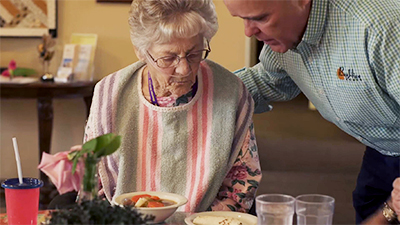
Over years of observing care groups, I have actually seen small-home caretakers pick up on concerns that may have gone undetected somewhere else: a resident who just hops in the evenings, or a peaceful withdrawal that signals the start of depression instead of "just aging."
Shorter ranges, safer mobility
Distance matters when every step carries a fall threat. In a vast structure, a resident may have to walk quite far to reach the dining-room or activity location. Numerous decide it is simpler to remain in their space, especially if they feel unsteady or ashamed about utilizing a walker.
In small assisted living homes, all common areas are usually within a brief, direct walk. The cooking area, living space, and dining table are typically main and noticeable from a lot of bedrooms. That style naturally motivates motion. Residents are more likely to join meals, stick around in the living room after eating, and engage with personnel and neighbors.
Indirectly, this minimizes social isolation, which is a genuine driver of cognitive decline and state of mind conditions in older grownups. A short hallway can be the difference in between "I will go see what smells so good in the kitchen area" and "I will simply stay in bed."
How Life Feels Various in Small Homes
Families often ask, "But will there suffice for Mom to do?" They envision large-group bingo games and live music occasions. Those absolutely have worth. Small assisted living, nevertheless, usually leans into a various kind of engagement: normal, meaningful, repeatable.
Imagine a typical early morning in a small home. A caregiver is cooking eggs in an open kitchen area, chatting with the 2 locals who constantly get up early. Another resident wanders in, still in a bathrobe, and takes a seat with a cup of coffee. Someone folds laundry at the table, more as a social activity than a chore. The television is off or quietly playing the news for those who care to listen.
Activities in this kind of environment are frequently woven into the material of the day rather than scheduled as events. Baking, gardening in a small lawn, easy card video games, checking out the newspaper together, or arranging buttons for someone with mid-stage dementia who requires a tactile task. Involvement tends to be more organic: homeowners join when they feel up to it, sometimes for 10 minutes, in some cases for an hour.
Large neighborhoods can, obviously, produce homelike regimens, and some do it very well. However, small homes are structurally oriented around the kitchen table and living room. The "activity space" is the same place where individuals consume and talk. That familiarity makes it much easier for more reserved or confused locals to roam in and out without seeming like they are invading a big event.
The Subtle Health Advantages of Being Known
Good elderly care concentrates on more than preventing crises. It intends to discover small variances before they become emergency situations. Small assisted living typically has an edge here, merely due to the fact that personnel can observe each person more closely.
When there are 10 to 15 residents, the caregiving team typically understands:
Who typically eats whatever on their plate and who is a light eater.
Who takes afternoon naps and who rarely rests throughout the day. Who showers in the morning versus the night, and how they usually move while doing it.When something changes, it protrudes. A caretaker may observe that Mr. Z, who usually jokes with everybody, is unexpectedly quiet and avoiding dessert. Or that Ms. J, who constantly strolls individually to the dining-room, now reaches for handrails regularly. These hints typically precede urinary tract infections, heart concerns, or medication negative effects by days.
Is this impossible in a bigger community? Not. Lots of bigger assisted living service providers train staff to track and report changes thoroughly. But the ratio of locals to personnel, integrated with the large volume of individuals moving through the structure, makes that level of intimate familiarity harder to sustain consistently.
In a small neighborhood, a caregiver's psychological "map" of each resident is easier to keep and share during shift modifications. I have endured handoff meetings in small homes where personnel run down each resident in 2 or 3 minutes: eating patterns, state of mind, bowel routines, movement, and household updates. It is detailed, but it does not feel like a list, since they are describing people they know.
The Role of Respite Care in Small Settings
Respite care, whether for a few days or a few weeks, often serves as a trial run for long-term assisted living. Families utilize it when a main caregiver needs surgical treatment, rest, or just a break from extensive care. The quality of that brief stay can highly affect future decisions.
Short-term visitors typically change faster in small homes. The factors are practical and psychological:
There is less to discover. One front door, one main living-room, one dining space.
Faces become familiar within a day or two. Both staff and citizens quickly discover the newcomer's name. Daily regimens are fluid enough to accommodate existing practices, like a later wake-up time or an afternoon TV show.From the household's perspective, respite care in a small assisted living home can feel like leaving a loved one with very engaged relatives instead of with an organization. You can typically speak directly with the individual who will be handling medications or monitoring showers, rather of routing every concern through a front desk.
Of course, capacity is a constraint. Smaller suppliers might have less respite beds offered, specifically throughout peak times such as vacations. They likewise might need a minimum stay or have specific admission criteria, since adding even one person changes the characteristics of an extremely small household. Planning ahead is important.
Still, when respite care works out in a small setting, it can eliminate enormous tension. I have actually seen spouses who had resisted outside aid for many years lastly agree to routine respite remains after experiencing how their partner thrived in a small, predictable environment.
Family Involvement and Communication
Families rarely pick an assisted living neighborhood based on interaction practices, however they quickly find out how vital those practices are. When you are not in the structure every day, you depend completely on staff to keep you informed.
Small-scale homes tend to use more direct, casual communication. You call, and the person beehivehomes.com senior care who answers the phone often knows your mother personally and can step away from the kitchen area or living space to respond to particular concerns. Families may get texts or photos from familiar caretakers. If you visit at random times, you generally see the exact same core personnel, not a continuous rotation.
This is not ensured, naturally. Some small operators are disorganized or understaffed, simply as some large centers stand out at structured, proactive communication. But when small communities are run well, their size makes it much easier to maintain individual contact. Issues seldom get lost in a complicated chain of command.
Families likewise tend to feel more comfy raising issues in small settings. When you know the administrator, nurse, and caregivers by name, it feels easier to state, "Mom looked a bit off on Tuesday, did you discover anything?" or "Dad seems more puzzled after supper, can we examine his medications?" Good operators welcome this input. It typically causes earlier interventions and more fine-tuned care plans.
Trade-offs: Where Larger Communities May Have the Advantage
It is necessary to be honest about the limitations of small-scale assisted living. Larger is not automatically better, however it typically features resources that small homes can not match.
Larger assisted living communities might use:
- More on-site facilities, such as fitness centers, chapels, beauty salons, and multiple dining venues.
- A broader variety of formal activities, including outings, live entertainment, and specialized programs.
- Greater capability to serve homeowners who require greater levels of care, by using more specialized staff or on-site health providers.
- Transportation fleets for routine medical consultations, going shopping journeys, and group outings.
- More flexible room choices, from studios to two-bedroom apartment or condos with kitchenettes.
Families should not assume, however, that their loved one needs every possible amenity. The key concern is whether those resources will in fact be used. A resident with innovative Parkinson's illness, who leaves their room mainly for meals and brief walks, might benefit a lot more from a small, quickly navigable environment and responsive caregivers than from a theater, a bistro, and a day-to-day trips calendar.
For highly social, independent older grownups, specifically those who drive or enjoy a packed schedule, a bigger setting might indeed be a better fit. The ideal match depends upon character, health status, and what "a good day" reasonably appears like now, not what it looked like 10 years ago.
When Small-Scale Assisted Living Might Not Be Ideal
Some scenarios truly require a bigger or more medically extensive environment.
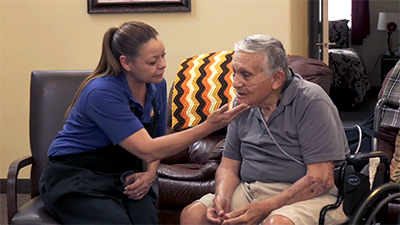
If a senior has complicated medical requirements that brink on competent nursing, such as ventilator assistance, complex injury care, or regular IV therapies, a small assisted living setting may not be licensed or geared up to handle them.
If a person thrives on large-group activities, variety, and continuous novelty, the quieter rhythm of a small home might feel confining. I remember a retired instructor who enjoyed lecturing, arranging groups, and carrying out. She tried a small setting for a few months and felt agitated. Transferring to a larger community with a resident council, choir, and active volunteer group matched her much better.
Cost can likewise be an aspect. Small homes sometimes charge greater rates per resident, because their staffing design is more intimate. On the other hand, some family-run homes are surprisingly cost effective, specifically in rural or suburbs. Prices differ significantly by region, ownership, and level of care.
Finally, small settings can be vulnerable to turnover. If 2 crucial team member leave at the very same time, the character of the place might move more significantly than in a big center with layers of management. Families need to take note not just to the existing group however to the stability of leadership and ownership.
How to Evaluate Small-Scale Options: A Practical Checklist
When you tour a smaller assisted living or respite care setting, you will likely see right now whether it feels comfortable or confined, warm or messy. Beyond gut instinct, a couple of specific concerns can help clarify whether the home is capable of supplying strong, sustainable senior care.
Here is a succinct checklist to bring with you:
- How many homeowners live here, and what is the typical staff-to-resident ratio on days, nights, and nights?
- Who oversees medical concerns, and how do they communicate with families about modifications or emergencies?
- What type of training do caretakers receive, particularly around dementia, fall prevention, and medication assistance?
- How are meals planned and prepared, and can they accommodate particular dietary requirements or preferences?
- What occurs if my loved one's care needs increase? Can they remain here, or would we require to move again?
Listen not only to the content of the responses, but likewise to the tone. Do personnel discuss residents as individuals or as classifications? Are they particular when they describe everyday routines and care strategies, or do they count on vague reassurances?
Pay special attention to how residents communicate with each other and with staff throughout your visit. A fast shared joke in the corridor, a caretaker observing that somebody's sweater has actually slipped off their shoulder, a resident asking for help and getting it calmly within a minute or more: these micro-moments state more about the quality of elderly care than any brochure.
Balancing Head and Heart in the Last Decision
Choosing assisted living, particularly for somebody you love deeply, is never simply a monetary or logistical choice. It is an emotional negotiation in between safety and autonomy, in between familiarity and needed support.
Small-scale assisted living invites a particular kind of compromise. Your loved one might give up a personal kitchen and the anonymity of a large building, however acquire an environment where their smallest routines matter and their lack from the table is noticed within minutes. Relative might travel a little further or accept fewer amenities, in exchange for daily intimacy and responsiveness.
The concealed advantage of these small homes is not simply their size. It is the way scale shapes relationships: less people in the space, more opportunities to be seen and kept in mind, less distance in between the person who notifications a problem and the individual who can repair it.
For households weighing alternatives, the most useful question is typically this: "If my loved one had a bad day here - confused, unsteady, declining care - how would this particular group and layout affect what occurs next?" In a small, well-run assisted living home, the response normally involves familiar faces, fast recognition of change, and actions customized to the person, not the policy.
When that is the reality, lots of older grownups do not just live longer. They live better, in manner ins which are quiet, quantifiable in small information, and deeply significant to those who understand them best.
BeeHive Homes of Albuquerque West provides assisted living care
BeeHive Homes of Albuquerque West provides memory care services
BeeHive Homes of Albuquerque West provides respite care services
BeeHive Homes of Albuquerque West offers support from professional caregivers
BeeHive Homes of Albuquerque West offers private bedrooms with private bathrooms
BeeHive Homes of Albuquerque West provides medication monitoring and documentation
BeeHive Homes of Albuquerque West serves dietitian-approved meals
BeeHive Homes of Albuquerque West provides housekeeping services
BeeHive Homes of Albuquerque West provides laundry services
BeeHive Homes of Albuquerque West offers community dining and social engagement activities
BeeHive Homes of Albuquerque West features life enrichment activities
BeeHive Homes of Albuquerque West supports personal care assistance during meals and daily routines
BeeHive Homes of Albuquerque West promotes frequent physical and mental exercise opportunities
BeeHive Homes of Albuquerque West provides a home-like residential environment
BeeHive Homes of Albuquerque West creates customized care plans as residents’ needs change
BeeHive Homes of Albuquerque West assesses individual resident care needs
BeeHive Homes of Albuquerque West accepts private pay and long-term care insurance
BeeHive Homes of Albuquerque West assists qualified veterans with Aid and Attendance benefits
BeeHive Homes of Albuquerque West encourages meaningful resident-to-staff relationships
BeeHive Homes of Albuquerque West delivers compassionate, attentive senior care focused on dignity and comfort
BeeHive Homes of Albuquerque West has a phone number of (505) 302-1919
BeeHive Homes of Albuquerque West has an address of 6000 Whiteman Dr NW, Albuquerque, NM 87120
BeeHive Homes of Albuquerque West has a website https://beehivehomes.com/locations/albuquerque-west/
BeeHive Homes of Albuquerque West has Google Maps listing https://maps.app.goo.gl/R1bEL8jYMtgheUH96
BeeHive Homes of Albuquerque West has Facebook page https://www.facebook.com/BeehiveABQW/
BeeHive Homes of Albuquerque West won Top Assisted Living Homes 2025
BeeHive Homes of Albuquerque West earned Best Customer Service Award 2024
BeeHive Homes of Albuquerque West placed 1st for Senior Living Communities 2025
People Also Ask about BeeHive Homes of Albuquerque West
What is BeeHive Homes of Albuquerque West monthly room rate?
Our base rate is $6,900 per month, but the rate each resident pays depends on the level of care that is needed. We do an initial evaluation for each potential resident to determine the level of care needed. The monthly rate is based on this evaluation. We also charge a one-time community fee of $2,000.
Can residents stay in BeeHive Homes of Albuquerque West until the end of their life?
Usually yes. There are exceptions, such as when there are safety issues with the resident, or they need 24 hour skilled nursing services.
Does Medicare or Medicaid pay for a stay at Bee Hive Homes?
Medicare pays for hospital and nursing home stays, but does not pay for assisted living as a covered benefit. Some assisted living facilities are Medicaid providers but we are not. We do accept private pay, long-term care insurance, and we can assist qualified Veterans with approval for the Aid and Attendance program.
Do we have a nurse on staff?
We do have a nurse on contract who is available as a resource to our staff but our residents' needs do not require a nurse on-site. We always have trained caregivers in the home and awake around the clock.
Do we allow pets at Bee Hive?
Yes, we allow small pets as long as the resident is able to care for them. State regulations require that we have evidence of current immunizations for any required shots.
Do we have a pharmacy that fills prescriptions?
We do have a relationship with an excellent pharmacy that is able to deliver to us and packages most medications in punch-cards, which improves storage and safety. We can work with any pharmacy you choose but do highly recommend our institutional pharmacy partner.
Do we offer medication administration?
Our caregivers are trained in assisting with medication administration. They assist the residents in getting the right medications at the right times, and we store all medications securely. In some situations we can assist a diabetic resident to self-administer insulin injections. We also have the services of a pharmacist for regular medication reviews to ensure our residents are getting the most appropriate medications for their needs.
Where is BeeHive Homes of Albuquerque West located?
BeeHive Homes of Albuquerque West is conveniently located at 6000 Whiteman Dr NW, Albuquerque, NM 87120. You can easily find directions on Google Maps or call at (505) 302-1919 Monday through Sunday 10am to 7pm
How can I contact BeeHive Homes of Albuquerque West?
You can contact BeeHive Homes of Albuquerque West by phone at: (505) 302-1919, visit their website at https://beehivehomes.com/locations/albuquerque-west, or connect on social media via Facebook
Mariposa Basin Park offers a quiet neighborhood setting well suited for elderly care residents participating in assisted living or respite care activities.