Small Senior Care Homes: A Better Suitable For Personalized Respite and Long-Term Care
Business Name: BeeHive Homes of Albuquerque West
Address: 6000 Whiteman Dr NW, Albuquerque, NM 87120
Phone: (505) 302-1919
BeeHive Homes of Albuquerque West
At BeeHive Homes of Albuquerque West, New Mexico, we provide exceptional assisted living in a warm, home-like environment. Residents enjoy private, spacious rooms with ADA-approved bathrooms, delicious home-cooked meals served three times daily, and the benefits of a small, close-knit community. Our compassionate staff offers personalized care and assistance with daily activities, always prioritizing dignity and well-being. With engaging activities that promote health and happiness, BeeHive Homes creates a place where residents truly feel at home. Schedule a tour today and experience the difference.
6000 Whiteman Dr NW, Albuquerque, NM 87120
Business Hours
When families begin looking at senior care, they normally imagine large assisted living communities, with long hallways, numerous dining rooms, and an events calendar that appears like a cruise liner schedule. Those settings work well for numerous older adults. Yet households frequently tell me, after a couple of months, that something is missing: heat, continuity, or a sense that staff truly understand their parent as an individual and not as "the fall risk in space 214."
That space is where small senior care homes, likewise called residential care homes or board-and-care homes in many states, silently stand out. They are not as heavily promoted, and they hardly ever have marble lobbies, but they can use exactly what many people say they desire for their aging parents: real relationships, versatile support, and a living environment that seems like a normal home.
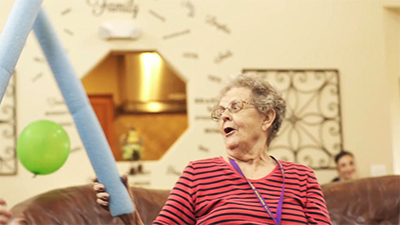
This matters both for long-term senior care and for short-term stays such as respite care, when a family caretaker needs a break, has surgical treatment, or deals with a short-lived crisis. The fit between an older grownup and the care environment throughout those durations can make the difference between stable enhancement and fast decline.
What follows reflects decades of combined observation of families, locals, and caretakers in both settings, big and small. No single design is widely much better, but the strengths of small homes are underused simply due to the fact that people do not understand they exist or do not know how to examine them.
What is a small senior care home?
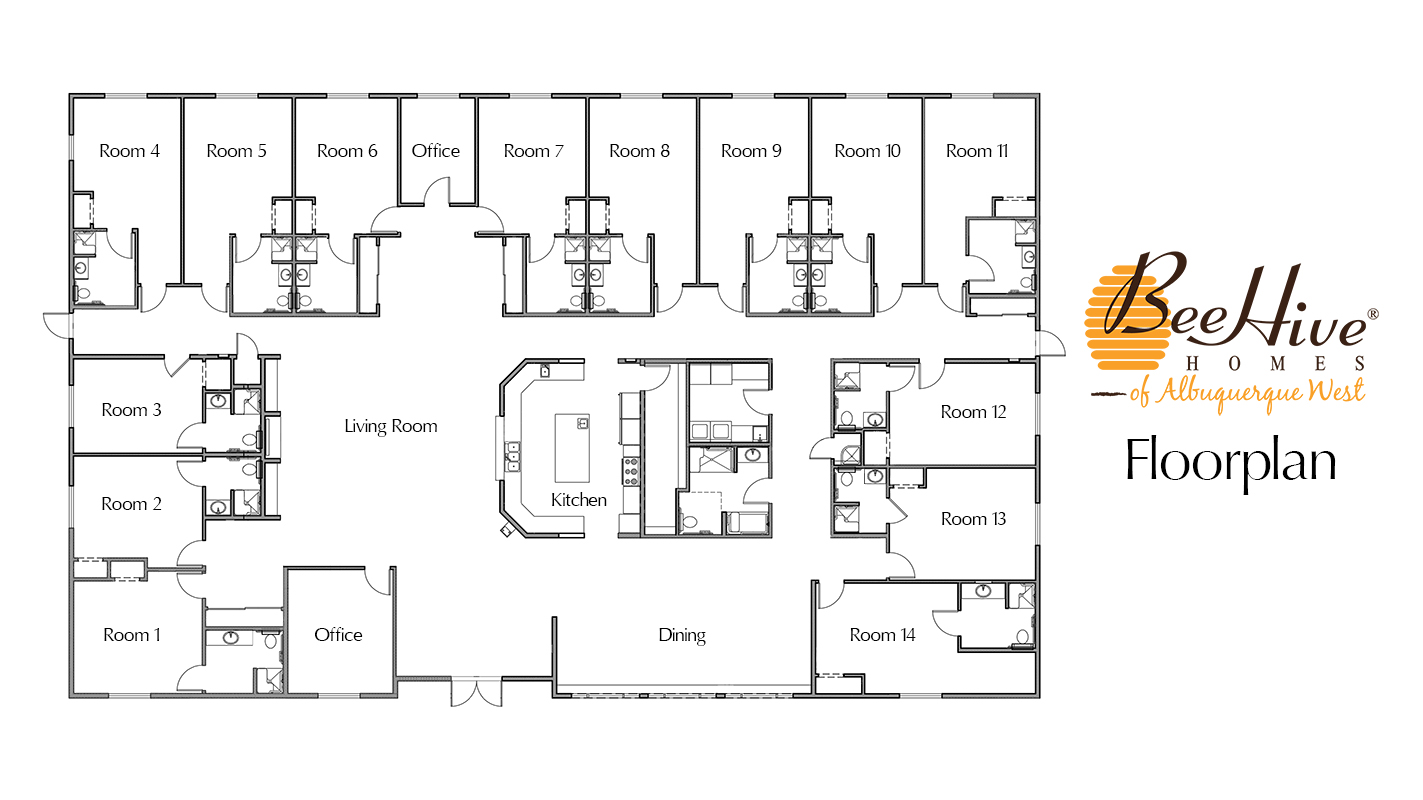
Most small senior care homes are exactly what they seem like: regular houses in residential neighborhoods, converted to provide 24/7 elderly care. Depending upon regional regulations, they normally serve in between 4 and 10 homeowners. There is a kitchen where actual cooking takes place, a living-room with familiar furniture, a yard or outdoor patio, and bed rooms that may be private or shared.
They typically fall under state licensing categories that might be called assisted living, residential care, personal care home, or something similar. The specific label differs by state, however functionally they sit in the same basic area as assisted living, not as experienced nursing facilities. They provide assist with activities of daily living such as bathing, dressing, toileting, movement, and medication pointers. Many do not supply extensive medical treatments that need a certified nurse around the clock.
A typical staffing pattern may be one caretaker for every single 3 to 5 locals during the day, and one awake caretaker during the night for the whole home. The real ratio differs, however it is usually far much better than the ratios in bigger neighborhoods or nursing homes, where one aide may be assigned to 10, 15, or even more residents per shift.
Because of the small size, routines feel a lot more like domesticity. Breakfast does not need a journey to a big dining-room. If someone sleeps late, personnel can adjust. If a resident hates oatmeal and loves eggs, that choice actually sticks in personnel's minds.
Why households start looking beyond big assisted living communities
Most households begin their search with the big names. They are visible, have marketing groups, and sponsor occasions. There is absolutely nothing wrong with that. A number of those communities deliver safe, qualified senior care.
However, several patterns tend to drive households to consider smaller settings after they have currently tried bigger assisted living facilities.
One circumstance involves cognitive decline. A resident with early or moderate dementia moves into a big structure. The first weeks work out. Then the household notices their parent beginning to separate, avoiding activities, or getting lost on the way back to their room. Staff, extended thin, can not always escort them, and other locals reoccur. The environment feels overwhelming. In a small senior care home, that same person might have only a handful of faces to bear in mind, and no long corridors to navigate.
Another common trigger is inconsistent personnel. In larger facilities, turnover is high. Households often complain that the caregiver who comprehended their mother's early morning routine suddenly vanishes from the schedule, and the replacement does not understand how to coax her into the shower without a fight. In a home with 6 homeowners and a stable group of 3 or 4 caretakers, continuity is far much easier to maintain.
There are likewise personality fits. Some older grownups grow in environments buzzing with activities, big group meals, and frequent visitors. Others spent their whole lives in small families and choose quiet, predictable days. For them, a three-story building with a hundred residents seems like an airport. A residential care home, tucked into a community, may match their sense of scale.
Why small homes can be ideal for respite care
Respite care is frequently a household's first test drive of formal elderly care. A spouse or adult kid caretaker reaches a limitation, physically or emotionally, and needs a break. Or they need to take a trip for work, or recover from their own surgical treatment. The aging parent requires a safe, supportive place for one to six weeks.
Large assisted living facilities do provide respite care, generally using furnished "respite suites." The resident participates in routine activities and meals. This works finest for relatively independent older grownups who take pleasure in social interaction and can adjust quickly.
Small senior care homes, in my experience, shine when the care receiver is frail, nervous, or has moderate dementia. The transition into respite care is shorter. The list of brand-new people to discover is restricted. There is typically no need to memorize a brand-new layout. The gives off cooking and the sounds of a television in the living room feel familiar, not institutional.
Respite stays in small homes can likewise be more versatile. Families in some cases require only a long weekend or a stretch of nine or 10 days that does not conform to a standard monthly billing cycle. A small home, with an open room, might want to work out day-to-day or weekly rates, specifically if they see prospective for a longer relationship later.
One of the most important, underrated benefits of using a small home for respite care is what it reveals. Caretakers can see how their parent does when toileting reminders come from someone else, or when medication times are more stringent. They can observe how rapidly their loved one kinds bonds with brand-new caretakers. If a future long-lasting relocation is likely, these brief stays make it far less disruptive.
How individualized care really searches in a small home
The expression "customized care" is excessive used in marketing, yet you can inform really quickly whether a setting measures up to it. In a small senior care home, customization shows up in small, specific manner ins which build up over time.
Breakfast is a good example. In big assisted living facilities, breakfast hours might be 7 to 9 a.m. Locals line up or are seated in shifts. Menus are set. If someone arrives at 9:10, the kitchen may currently be tidying up. In a small home, you frequently see caregivers making toast at 9:45 because one resident always oversleeps, or reheating oatmeal because somebody chose they were hungry again.
Bathing and hygiene follow the exact same pattern. Some locals tolerate showers just in the afternoon, not very first thing in the early morning when their joints are stiff. Others choose a sponge bath most days and a complete shower two times weekly. When staff take care of six individuals instead of sixty, they can remember those patterns rather than forcing everyone into one routine.
Medication management likewise tends to be more flexible. While doses and times are recommended, the way tips are delivered can be tailored. One resident responds well to a mild verbal hint, another likes her tablets provided with a specific drink. With fewer disruptions, caretakers can stay with somebody who is reluctant or declines medication, instead of leaving because they have twelve more locals to see before 10 a.m.
Even the emotional landscape is various. In small homes, caregivers see and respond to mood shifts in real time. If a resident looks withdrawn, they can take a seat at the kitchen table and inquire about it without fretting that other citizens will be left ignored. That responsiveness is what typically prevents small problems, such as mild dehydration or constipation, from escalating into emergency clinic visits.
Comparing small homes and bigger assisted living communities
Families typically ask for a basic decision: which is better, a small residential care home or a bigger assisted living community? The sincere response is that it depends upon the person and the circumstance. That stated, some differences show up consistently.
Here is a short contrast that can help organize your thinking:
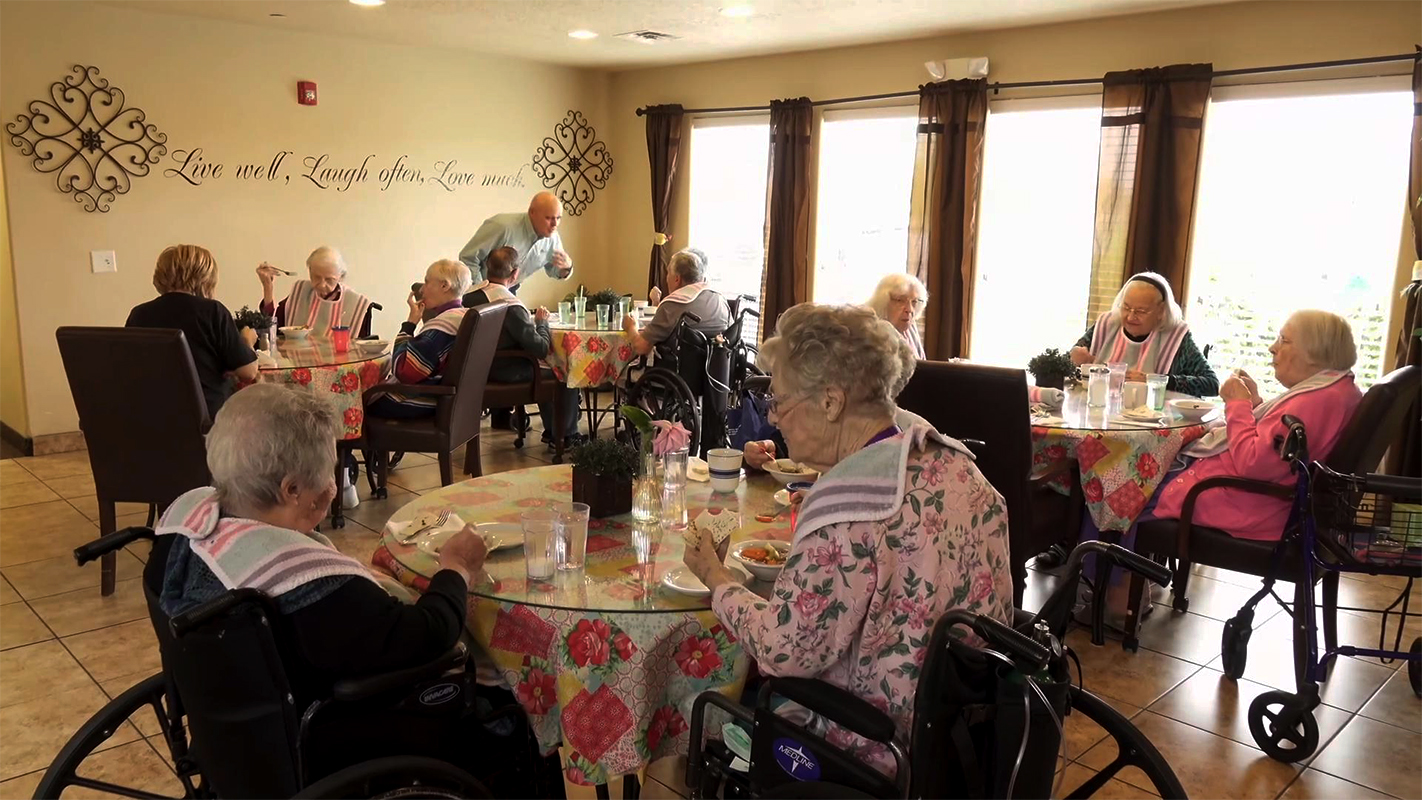
- Environment: Small homes seem like actual houses, with shared spaces that look like a family living room and kitchen. Big assisted living neighborhoods feel more like apartment or hotels, with private apartment or condos and central dining.
- Social life: Big communities use more structured activities, outings, and chances to fulfill lots of peers. Small homes provide less group events but more intimate, daily social contact with the same people.
- Staff interaction: In small homes, caregivers frequently understand each resident deeply, however there are less specialists such as activity directors. In larger settings, the team is bigger and more specialized, however private assistants may turn regularly in between residents.
- Cost structure: Large centers in some cases advertise lower base rates, then include different charges for greater care levels. Small homes typically price estimate a more inclusive monthly charge that packages most care jobs into a single rate, though this varies.
- Medical complexity: For locals with highly complicated medical requirements, a proficient nursing center may be more appropriate than either a small home or standard assisted living. Some larger neighborhoods have better access to on-site clinicians, while some small homes partner closely with home health companies or going to nurse services.
That list reflects normal patterns. There are exceptional large communities that feel warm and individual, and there are small homes that fail at the basics. The point is to understand where each design tends to excel so that your tours and concerns are more focused.
When a small home is especially helpful
Certain scenarios tend to benefit disproportionately from the scale and intimacy of a small residential care home.
Older grownups with mid-stage dementia typically respond effectively. Less people, less sound, and foreseeable regimens lower confusion and agitation. When somebody begins to "sunset" in the late afternoon, personnel can redirect them calmly, perhaps with a cup of tea at the cooking area table, instead of trying to manage intensifying behaviors in a passage loaded with activity.
People susceptible to wandering are another group to consider. Lots of small homes have secure lawns or outdoor patios where residents can stroll freely without leaving the home. Since there are just a few residents, personnel notice if somebody heads towards the front door aimlessly. That direct observation can be more reliable than electronic alarms in congested hallways.
Frailer residents, who need aid with most activities of daily living, tend to be a better fit as well. A caregiver who takes care of just three or 4 homeowners can afford to move someone gradually, double check that clothing is not twisted, and invest an extra minute getting somebody comfy in their preferred chair. Those are the small pieces of dignity that larger settings struggle to preserve when staff are outnumbered.
Short-term respite care for people who are distressed, shy, or easily overwhelmed by sound is likewise smoother in a small home. I have seen peaceful, reserved senior citizens decline quickly throughout a two-week respite remain at a large, loud center, then settle and restore cravings in a smaller setting where the overall variety of everyday interactions was manageable.
Trade-offs and limitations of small senior care homes
The strengths of small homes do not remove their constraints. A sensible view helps avoid disappointment later.
One compromise involves range. Activities in small homes lean heavily on discussion, television, basic games, light workout, and one-on-one engagement. There may not be daily music performances, lecture series, or outings to dining establishments. For citizens who are cognitively intact and delight in a full social calendar, a small home may feel constraining after the very first couple of weeks.
Another concern is staffing depth. When a caregiver employs ill at a large center, there is normally a back-up pool. In a six-bed home, protection might involve the owner or supervisor stepping in. That can work magnificently if management is hands-on and committed. In weaker homes, personnel tiredness can sneak in if there is no dependable replacement system.
Dietary range can likewise be limited. Numerous small homes do a fantastic task with basic, home-style meals. Nevertheless, they seldom have the ability to produce customized menus for several various diets at once. If your parent follows a stringent spiritual, medical, or individual diet plan that deviates substantially from standard choices, you require to ask detailed questions and see how they manage it in practice.
Regulation and oversight vary by state. Some jurisdictions examine small homes with the assisted living in albuquerque nm very same rigor as big assisted living communities. Others use less structured oversight, which puts more responsibility on households to veterinarian the home thoroughly. Good small homes accept openness, welcome questions, and are proud to show documentation. If you feel you are being rushed, or your questions brushed off, deal with that as a serious caution sign.
Lastly, there is the psychological side. Families in some cases feel guilt putting a parent in a setting that recognizes and intimate since it does not look "expensive." They worry relatives will evaluate them for not choosing the building with the grand lobby. In practice, what older grownups care about daily is convenience, regard, and human contact, not design. It assists to keep that point of view clear when others begin comparing brochures.
How to examine a small senior care home
Touring a small senior care home requires a slightly various state of mind than touring a large center. Instead of scanning facilities, you are evaluating the quality of day-to-day life.
During the visit, pay close attention to the state of mind of the house. Not the marketing spiel, however the feeling in the room. Do citizens look clean, properly dressed, and at ease? Are staff gently engaged or glued to their phones? Does the television blare constantly, or does it seem to be on for a purpose?
Trust your nose. Strong odors, either of urine or heavy deodorizing chemicals, generally indicate care concerns. A faint odor once in a while can take place in any setting, but relentless smells recommend systemic problems.
Listen to how staff talk to locals. Are they utilizing names? Do they crouch or sit at eye level rather than calling from throughout the space? Small gestures here are very important. Individualized assisted living and elderly care depend more on tone and method than on furnishings or smart technology.
It is generally useful to have a short, focused set of questions ready. For lots of families, these 5 cover the most essential ground:
- What is your normal staff-to-resident ratio throughout days, evenings, and nights?
- How do you deal with locals whose care needs increase over time?
- Can you explain a recent scenario where a resident declined or had a medical occasion, and how your team responded?
- What sort of respite care stays do you accept, and how do you transition someone from respite to long-term care if that ends up being necessary?
- How do you keep households informed, specifically if they live out of town?
Ask to see the restroom setup, shower area, and a minimum of one bedroom that is not specifically staged. If your parent uses a walker or wheelchair, check whether doorways and hallways are useful, not simply technically certified. Lots of small homes do an excellent task adapting, but some older houses have tight corners that make transfers harder.
If possible, visit a 2nd time at a various hour. A home that looks calm at 10 a.m. Might be disorderly at 6 p.m. During shift changes and supper preparation. Senior care is a 24-hour business. You are purchasing how they deal with all of it, not simply the quiet parts.
Cost, agreements, and what to enjoy for
Families often assume that small homes are automatically less expensive. That is not always the case. In numerous markets, a well-run residential care home expenses approximately the same as mid-range assisted living, often slightly less, often slightly more.
What varies is how prices is structured. Bigger communities typically estimate a low "base rate" that covers real estate, meals, and light support, then add tiered costs for greater levels of care: assist with bathing, regular transfers, specialized dementia care, oxygen management, and so on. The last bill can end up much greater than the preliminary quote once a resident needs significant assistance.
Small homes more frequently utilize a bundled design, where a single regular monthly fee covers all basic personal care tasks, with separate charges only for really complex needs. This is not universal, but it is common. That predictability helps households prepare better, especially for long-term stays.
Regardless of the model, read the contract thoroughly. Try to find:
Clauses about rate boosts. Lots of service providers schedule the right to raise rates every year or when care needs increase. Ask how typically they do so in practice and by what normal percentage.
Discharge requirements. Understand what happens if your parent's condition modifications. At what point would they require a higher level of care, such as a nursing home? Who makes that choice, and how much notice are you given?
Respite care terms. If you are utilizing respite care initially, examine minimum stay lengths, deposits, and whether any portion is credited if you transition to long-lasting occupancy.
Refund policies. Life scenarios change quickly. Ensure you understand just how much notice you should provide to prevent additional charges when moving out.
Most households underestimate the length of time they might require support. Presuming two to five years of assisted living or residential care is more reasonable than presuming a few months. Matching the expense structure and agreement flexibility to that horizon is as important as evaluating the curb appeal.
Who is not a good fit for a small care home?
While I have seen lots of older adults grow in small homes, some are improperly served by this model.
Highly social, active elders with great cognition who still drive, handle their own medications, and choose independent living often find small homes too confining. They might be much better off in a big neighborhood that offers enhanced social life and more autonomy, or in senior homes with a la carte services.
Individuals requiring complex treatment supplied by certified nurses all the time usually belong in experienced nursing or a customized medical setting. A small home can work in cooperation with home health or hospice in many cases, however it is not an alternative to a health center step-down unit.
There can also be personality mismatches. A resident who is regularly loud, aggressive, or disruptive can overwhelm a small community of 5 or 6 individuals. Good homes screen thoroughly and are honest about whether they can keep a safe and calm environment for everybody present.
Finally, some households value prestige, on-site amenities, or brand track record above intimate care relationships. They may feel more at ease dealing with corporate structures and nationwide policies. For them, a big assisted living chain may feel more foreseeable, even if the everyday experience is less personal.
Starting the conversation with your family
Shifting a parent from home to any type of assisted living or elderly care involves sorrow, guilt, and, frequently, disagreement amongst brother or sisters. Bringing a small senior care home into the conversation can really relieve some tension by reframing what "positioning" looks like.
Instead of saying, "We are moving Mom to a facility," you can say, "We discovered a home with six homeowners, where she will have her own room and someone to help her in the evening. Let us attempt a brief respite care stay and see how she feels." That softer framing matches the truth of the environment.
If you are the primary caregiver, prepare specific examples of where you are having a hard time: lifting, night-time wandering, medication timing, your own health declining. Compare those requirements with what the small home can realistically provide. Families tend to respond much better to concrete information than to general statements such as "I am exhausted."
When going to possible homes, if possible, include your parent at least as soon as, unless their cognitive status makes that counterproductive. Take notice of their body language. Numerous older adults warm quickly to small homes due to the fact that the scale reminds them of familiar life stages.
The enduring concern is constantly whether a setting uses safety without removing away personhood. Small senior care homes, when they are well run, hold that balance especially well. They are not the best answer for everybody, yet they are worthy of a location at the top of the list for households seeking deeply personalized respite care and long-term support in a setting that feels less like a system and more like a home.
BeeHive Homes of Albuquerque West provides assisted living care
BeeHive Homes of Albuquerque West provides memory care services
BeeHive Homes of Albuquerque West provides respite care services
BeeHive Homes of Albuquerque West offers support from professional caregivers
BeeHive Homes of Albuquerque West offers private bedrooms with private bathrooms
BeeHive Homes of Albuquerque West provides medication monitoring and documentation
BeeHive Homes of Albuquerque West serves dietitian-approved meals
BeeHive Homes of Albuquerque West provides housekeeping services
BeeHive Homes of Albuquerque West provides laundry services
BeeHive Homes of Albuquerque West offers community dining and social engagement activities
BeeHive Homes of Albuquerque West features life enrichment activities
BeeHive Homes of Albuquerque West supports personal care assistance during meals and daily routines
BeeHive Homes of Albuquerque West promotes frequent physical and mental exercise opportunities
BeeHive Homes of Albuquerque West provides a home-like residential environment
BeeHive Homes of Albuquerque West creates customized care plans as residents’ needs change
BeeHive Homes of Albuquerque West assesses individual resident care needs
BeeHive Homes of Albuquerque West accepts private pay and long-term care insurance
BeeHive Homes of Albuquerque West assists qualified veterans with Aid and Attendance benefits
BeeHive Homes of Albuquerque West encourages meaningful resident-to-staff relationships
BeeHive Homes of Albuquerque West delivers compassionate, attentive senior care focused on dignity and comfort
BeeHive Homes of Albuquerque West has a phone number of (505) 302-1919
BeeHive Homes of Albuquerque West has an address of 6000 Whiteman Dr NW, Albuquerque, NM 87120
BeeHive Homes of Albuquerque West has a website https://beehivehomes.com/locations/albuquerque-west/
BeeHive Homes of Albuquerque West has Google Maps listing https://maps.app.goo.gl/R1bEL8jYMtgheUH96
BeeHive Homes of Albuquerque West has Facebook page https://www.facebook.com/BeehiveABQW/
BeeHive Homes of Albuquerque West won Top Assisted Living Homes 2025
BeeHive Homes of Albuquerque West earned Best Customer Service Award 2024
BeeHive Homes of Albuquerque West placed 1st for Senior Living Communities 2025
People Also Ask about BeeHive Homes of Albuquerque West
What is BeeHive Homes of Albuquerque West monthly room rate?
Our base rate is $6,900 per month, but the rate each resident pays depends on the level of care that is needed. We do an initial evaluation for each potential resident to determine the level of care needed. The monthly rate is based on this evaluation. We also charge a one-time community fee of $2,000.
Can residents stay in BeeHive Homes of Albuquerque West until the end of their life?
Usually yes. There are exceptions, such as when there are safety issues with the resident, or they need 24 hour skilled nursing services.
Does Medicare or Medicaid pay for a stay at Bee Hive Homes?
Medicare pays for hospital and nursing home stays, but does not pay for assisted living as a covered benefit. Some assisted living facilities are Medicaid providers but we are not. We do accept private pay, long-term care insurance, and we can assist qualified Veterans with approval for the Aid and Attendance program.
Do we have a nurse on staff?
We do have a nurse on contract who is available as a resource to our staff but our residents' needs do not require a nurse on-site. We always have trained caregivers in the home and awake around the clock.
Do we allow pets at Bee Hive?
Yes, we allow small pets as long as the resident is able to care for them. State regulations require that we have evidence of current immunizations for any required shots.
Do we have a pharmacy that fills prescriptions?
We do have a relationship with an excellent pharmacy that is able to deliver to us and packages most medications in punch-cards, which improves storage and safety. We can work with any pharmacy you choose but do highly recommend our institutional pharmacy partner.
Do we offer medication administration?
Our caregivers are trained in assisting with medication administration. They assist the residents in getting the right medications at the right times, and we store all medications securely. In some situations we can assist a diabetic resident to self-administer insulin injections. We also have the services of a pharmacist for regular medication reviews to ensure our residents are getting the most appropriate medications for their needs.
Where is BeeHive Homes of Albuquerque West located?
BeeHive Homes of Albuquerque West is conveniently located at 6000 Whiteman Dr NW, Albuquerque, NM 87120. You can easily find directions on Google Maps or call at (505) 302-1919 Monday through Sunday 10am to 7pm
How can I contact BeeHive Homes of Albuquerque West?
You can contact BeeHive Homes of Albuquerque West by phone at: (505) 302-1919, visit their website at https://beehivehomes.com/locations/albuquerque-west, or connect on social media via Facebook
Mariposa Basin Park offers a quiet neighborhood setting well suited for elderly care residents participating in assisted living or respite care activities.